

künstlergruppe "der blaue reiter"
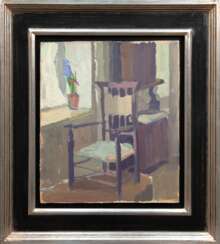

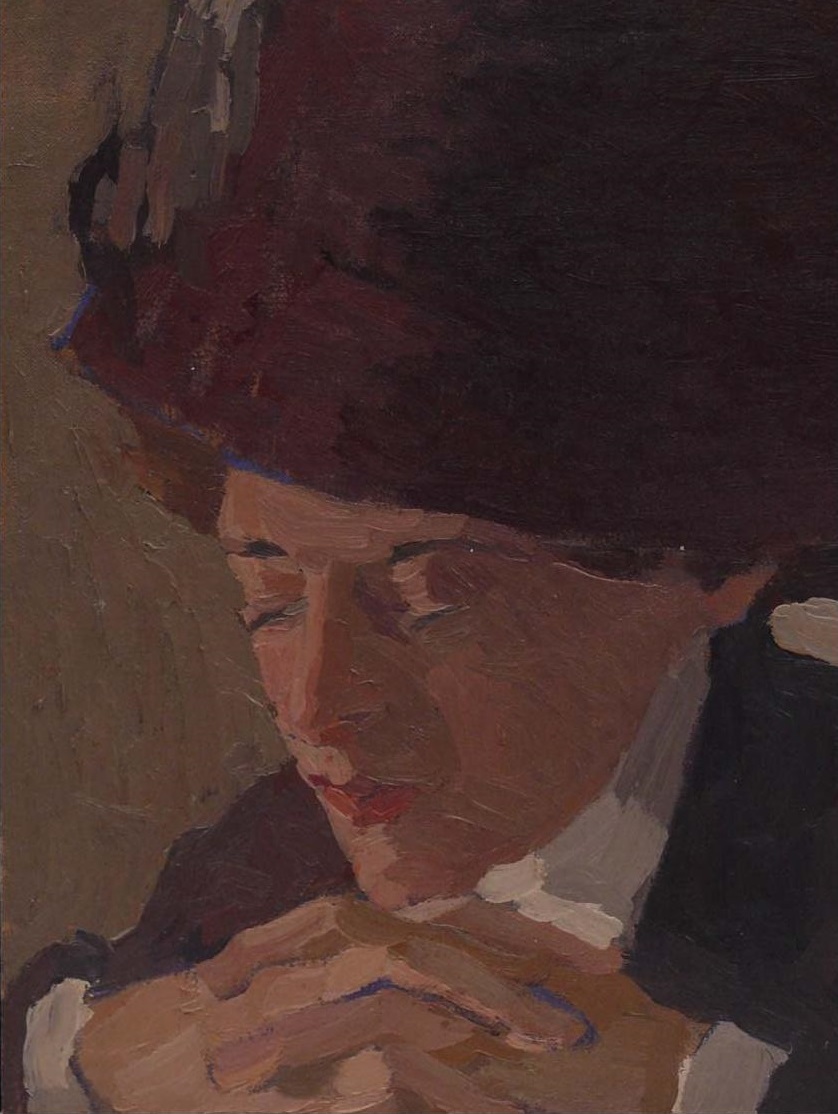
Minna Köhler-Roeber was a German Impressionist painter.
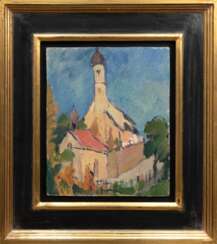

Minna Köhler-Roeber was a German Impressionist painter.


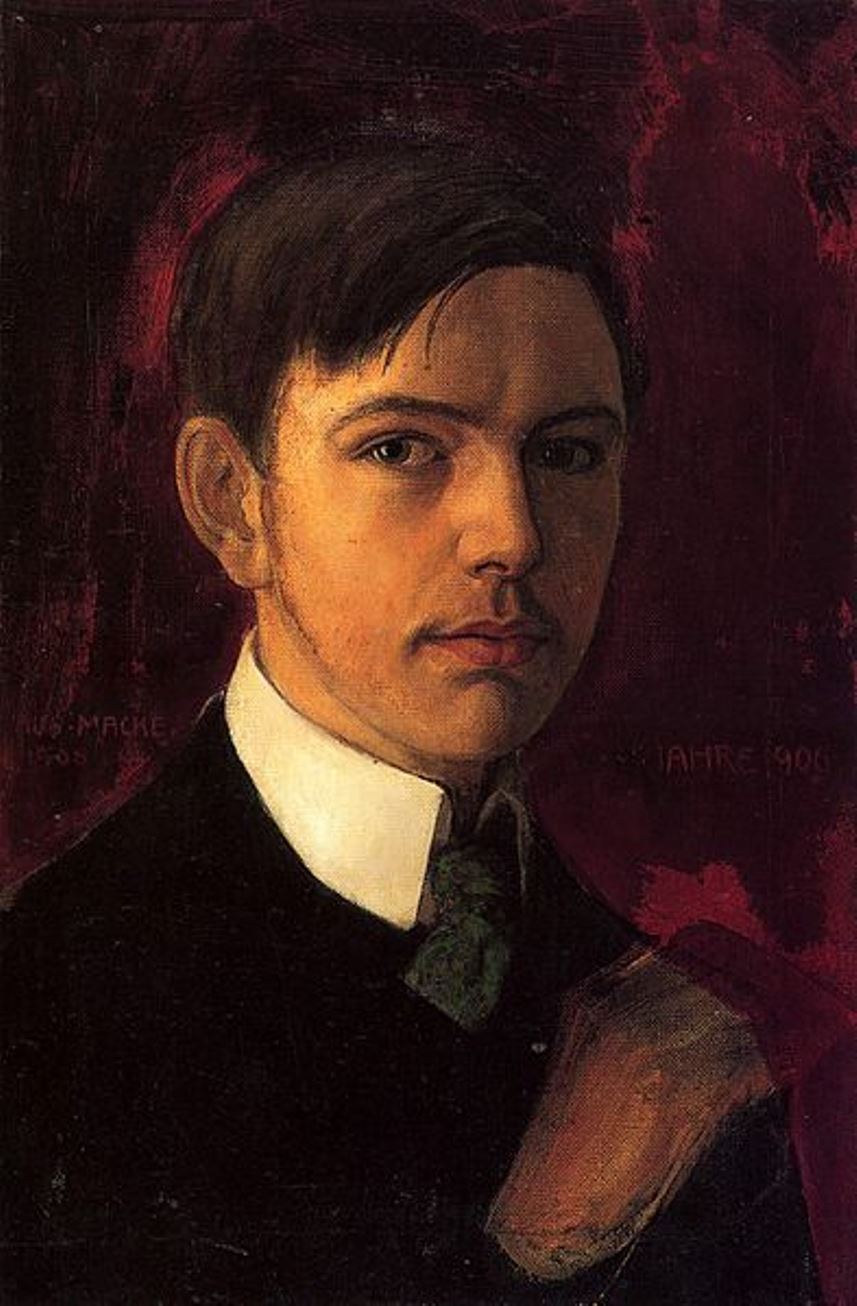
August Robert Ludwig Macke was an eminent German expressionist painter, founder and member of the Blue Rider association. His very colorful and individual style is today referred to as the Macke style, characterized by a harmonious combination of colors and the play of light effects. His favorite subjects of his works were sketches from the life of the city, as well as nature and man. The paintings of August Macke give an impression of joy and lightness.
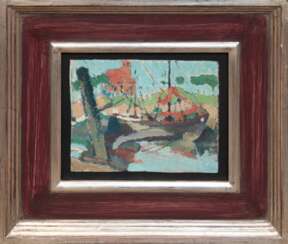



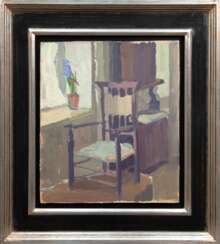

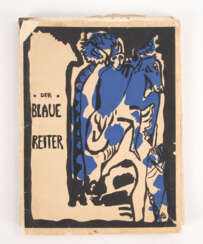

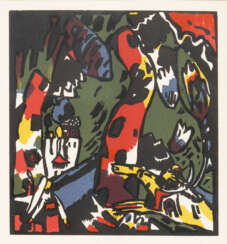

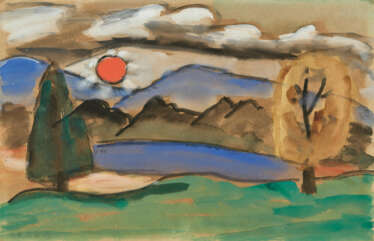

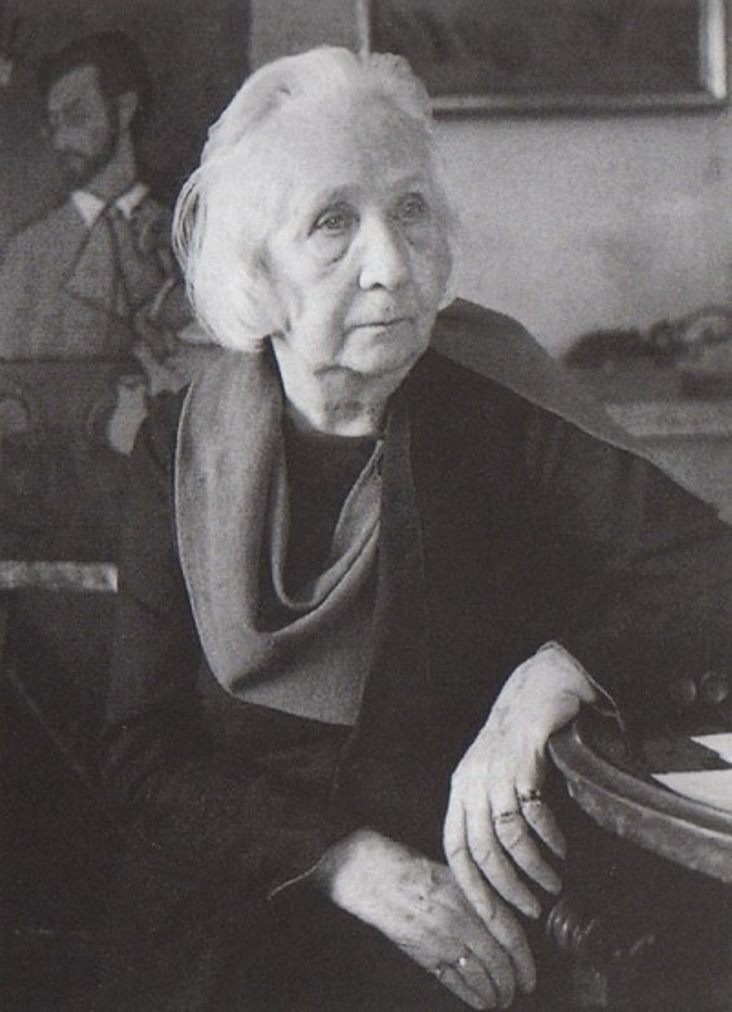
Gabriele Münter, a prominent German painter, left an indelible mark on the art world with her expressionist style and vibrant use of color. Born in Berlin in 1877, Münter was not just an artist but a trailblazer in the early 20th-century avant-garde movement in Munich. Her relationship with Wassily Kandinsky, both personal and professional, greatly influenced her artistic development and vice versa. Together, they explored Europe and North Africa, absorbing influences that would shape their styles. This period was crucial for Münter's transition from impressionistic to more abstract and expressive works, incorporating intense colors and simplified forms that became hallmarks of her style.
Münter's artistic evolution was significantly shaped by her time in Murnau, a Bavarian town that became a refuge and inspiration for her work. Here, she experimented with the Blaue Reiter aesthetic, emphasizing the emotional and spiritual over the representational. Münter's landscapes from this period are notable for their bold use of color and simplified forms, reflecting an intimate interaction with nature. Works like "Jawlensky and Werefkin" and "Lower Main Street, Murnau" exemplify her mastery of color and form, showcasing her ability to capture the essence of her subjects through a unique visual language.
Throughout her career, Münter contributed significantly to the German Expressionist movement, particularly through her involvement with Der Blaue Reiter group. Despite the challenges of World War I and the subsequent estrangement from Kandinsky, she continued to innovate and express her vision through her art. In her later years, Münter's commitment to preserving the legacy of the Blaue Reiter group was demonstrated through her donation of a substantial collection of artworks to the Städtische Galerie im Lenbachhaus in Munich.
For collectors and experts in art and antiques, Gabriele Münter's work represents a pivotal moment in the history of expressionism, offering insights into the movement's evolution and the role of women artists in shaping modern art. Her contributions, both in her vibrant landscapes and in her pioneering spirit, continue to inspire and captivate audiences around the world.
To stay updated on new product sales and auction events related to Gabriele Münter, signing up for updates is an invaluable resource for enthusiasts keen on exploring the depths of expressionism and the enduring legacy of this remarkable artist.
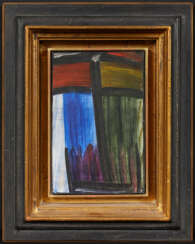



Gabriele Münter, a prominent German painter, left an indelible mark on the art world with her expressionist style and vibrant use of color. Born in Berlin in 1877, Münter was not just an artist but a trailblazer in the early 20th-century avant-garde movement in Munich. Her relationship with Wassily Kandinsky, both personal and professional, greatly influenced her artistic development and vice versa. Together, they explored Europe and North Africa, absorbing influences that would shape their styles. This period was crucial for Münter's transition from impressionistic to more abstract and expressive works, incorporating intense colors and simplified forms that became hallmarks of her style.
Münter's artistic evolution was significantly shaped by her time in Murnau, a Bavarian town that became a refuge and inspiration for her work. Here, she experimented with the Blaue Reiter aesthetic, emphasizing the emotional and spiritual over the representational. Münter's landscapes from this period are notable for their bold use of color and simplified forms, reflecting an intimate interaction with nature. Works like "Jawlensky and Werefkin" and "Lower Main Street, Murnau" exemplify her mastery of color and form, showcasing her ability to capture the essence of her subjects through a unique visual language.
Throughout her career, Münter contributed significantly to the German Expressionist movement, particularly through her involvement with Der Blaue Reiter group. Despite the challenges of World War I and the subsequent estrangement from Kandinsky, she continued to innovate and express her vision through her art. In her later years, Münter's commitment to preserving the legacy of the Blaue Reiter group was demonstrated through her donation of a substantial collection of artworks to the Städtische Galerie im Lenbachhaus in Munich.
For collectors and experts in art and antiques, Gabriele Münter's work represents a pivotal moment in the history of expressionism, offering insights into the movement's evolution and the role of women artists in shaping modern art. Her contributions, both in her vibrant landscapes and in her pioneering spirit, continue to inspire and captivate audiences around the world.
To stay updated on new product sales and auction events related to Gabriele Münter, signing up for updates is an invaluable resource for enthusiasts keen on exploring the depths of expressionism and the enduring legacy of this remarkable artist.


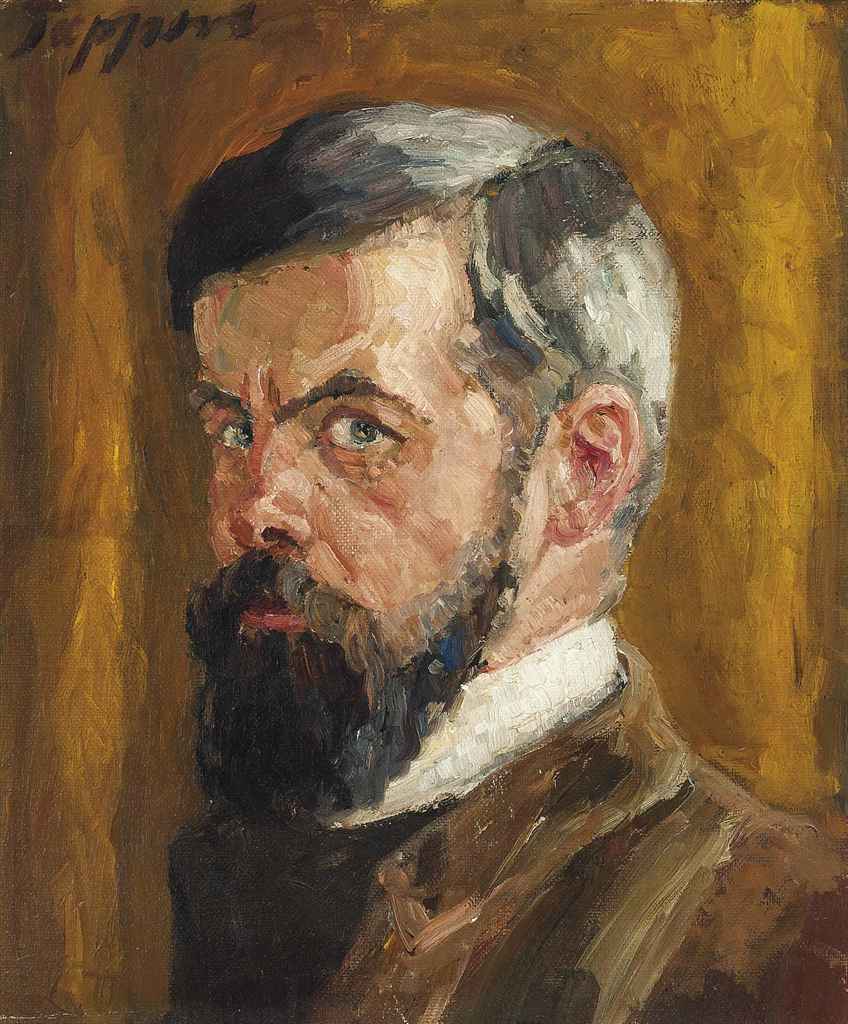
Georg Tappert was a German expressionist painter.
Tappert studied at the Academy of Fine Arts in Berlin and later joined the Berlin Secession, a group of artists who sought to break away from traditional academic art. His early work was influenced by the Art Nouveau movement, but he later became associated with German Expressionism.
Tappert's paintings are characterized by their vivid colors and expressive brushstrokes, which conveyed a sense of emotional intensity. He often depicted scenes of modern urban life, such as cafés, streets, and theaters, as well as portraits and still-life compositions. He also produced a significant body of graphic work, including woodcuts and lithographs.
Tappert's work was exhibited extensively during his lifetime, including at the Berlin Secession and the Städtische Galerie in Munich. He was also awarded numerous honors and awards for his work, including the Villa Massimo Prize in Rome in 1911 and the Grand Cross of the Order of Merit of the Federal Republic of Germany in 1955.


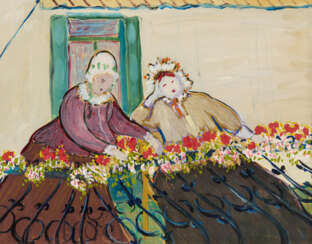

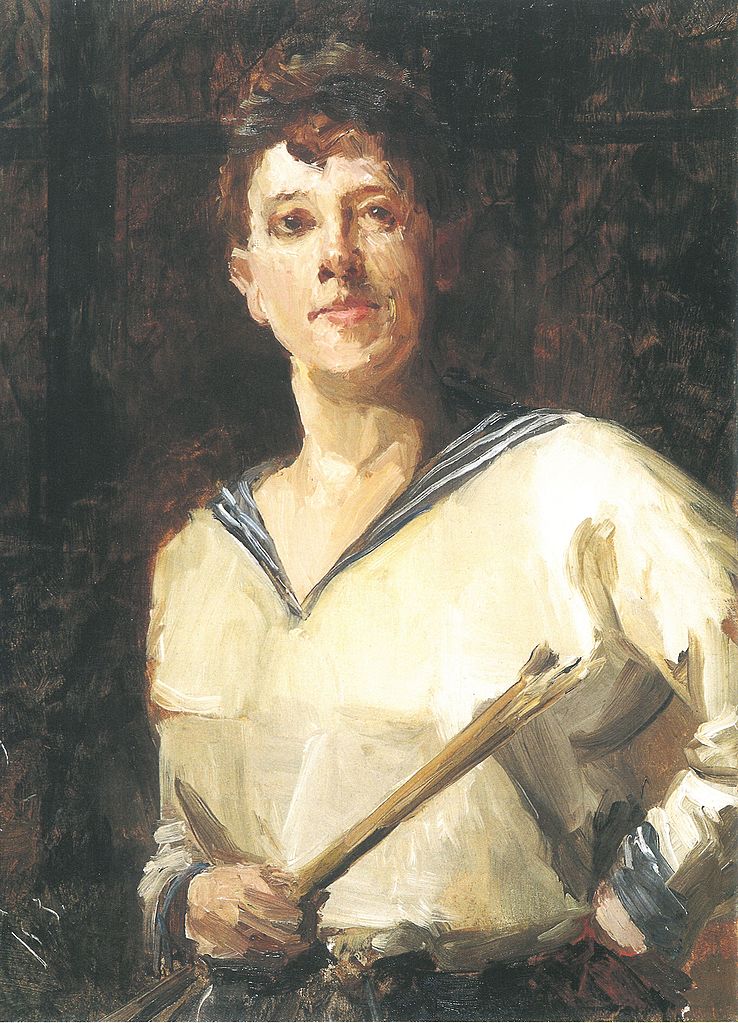
Marianne von Werefkin (Russian: Марианна Владимировна Верёвкина), born in Russia in 1860, was a distinguished artist whose innovative work bridged the realms of realism and expressionism. Known as the "Russian Rembrandt" in her early career, Werefkin's artistic journey began with realism, earning her acclaim within the Tsarist Empire. However, her move to Munich in 1896 marked a significant shift in her style and artistic affiliations, leading her to explore and eventually embrace expressionism.
Werefkin's life was marked by a pivotal relationship with fellow artist Alexej von Jawlensky, which greatly influenced her personal and professional trajectory. Despite pausing her painting to focus on Jawlensky's development, Werefkin's contribution to art went beyond her own creations. She founded the influential artist groups, including the New Association of Artists in Munich (NKVM) and later The Blue Rider, alongside luminaries like Wassily Kandinsky and Franz Marc.
Her return to painting saw a dramatic transformation in her style, characterized by bold, expressive strokes and a deep exploration of the emotional and spiritual aspects of her subjects. This period of her work is marked by significant pieces such as the "Self-Portrait" (1910), which is celebrated for its emotional depth and innovative use of color, encapsulating the essence of Munich-school Expressionism.
Werefkin's later years in Ascona, Switzerland, were devoted to capturing the natural landscape and its emotional resonances through a vibrant expressionist lens. Her works from this period reflect a continued engagement with human fragility and resilience, as seen in pieces like "Eternal Path" (1929).
Her oeuvre is a testament to her pioneering spirit and her role in shaping the course of modern art. Werefkin's works are held in esteemed collections, including the Museum of Modern Art in Ascona and the Städtische Galerie im Lenbachhaus in Munich, ensuring her legacy endures within the art world.
For collectors and experts in art and antiques, Marianne von Werefkin's life and work offer a rich field of study. Her contributions to the development of expressionism and her unique artistic voice make her a figure of enduring interest. To stay informed about new product sales and auction events related to Marianne von Werefkin, signing up for updates can provide exclusive insights and opportunities to engage with her remarkable legacy.
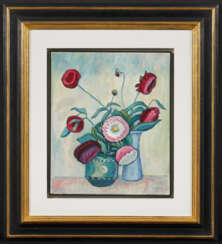

Gabriele Münter, a prominent German painter, left an indelible mark on the art world with her expressionist style and vibrant use of color. Born in Berlin in 1877, Münter was not just an artist but a trailblazer in the early 20th-century avant-garde movement in Munich. Her relationship with Wassily Kandinsky, both personal and professional, greatly influenced her artistic development and vice versa. Together, they explored Europe and North Africa, absorbing influences that would shape their styles. This period was crucial for Münter's transition from impressionistic to more abstract and expressive works, incorporating intense colors and simplified forms that became hallmarks of her style.
Münter's artistic evolution was significantly shaped by her time in Murnau, a Bavarian town that became a refuge and inspiration for her work. Here, she experimented with the Blaue Reiter aesthetic, emphasizing the emotional and spiritual over the representational. Münter's landscapes from this period are notable for their bold use of color and simplified forms, reflecting an intimate interaction with nature. Works like "Jawlensky and Werefkin" and "Lower Main Street, Murnau" exemplify her mastery of color and form, showcasing her ability to capture the essence of her subjects through a unique visual language.
Throughout her career, Münter contributed significantly to the German Expressionist movement, particularly through her involvement with Der Blaue Reiter group. Despite the challenges of World War I and the subsequent estrangement from Kandinsky, she continued to innovate and express her vision through her art. In her later years, Münter's commitment to preserving the legacy of the Blaue Reiter group was demonstrated through her donation of a substantial collection of artworks to the Städtische Galerie im Lenbachhaus in Munich.
For collectors and experts in art and antiques, Gabriele Münter's work represents a pivotal moment in the history of expressionism, offering insights into the movement's evolution and the role of women artists in shaping modern art. Her contributions, both in her vibrant landscapes and in her pioneering spirit, continue to inspire and captivate audiences around the world.
To stay updated on new product sales and auction events related to Gabriele Münter, signing up for updates is an invaluable resource for enthusiasts keen on exploring the depths of expressionism and the enduring legacy of this remarkable artist.





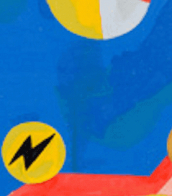


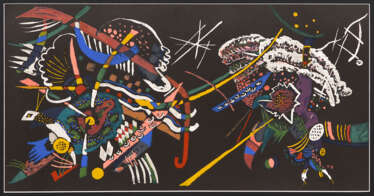



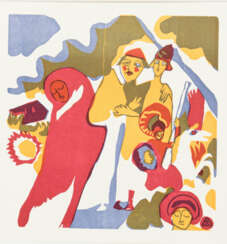

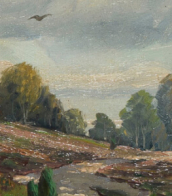


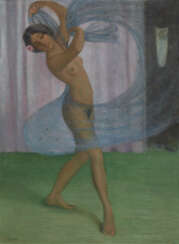

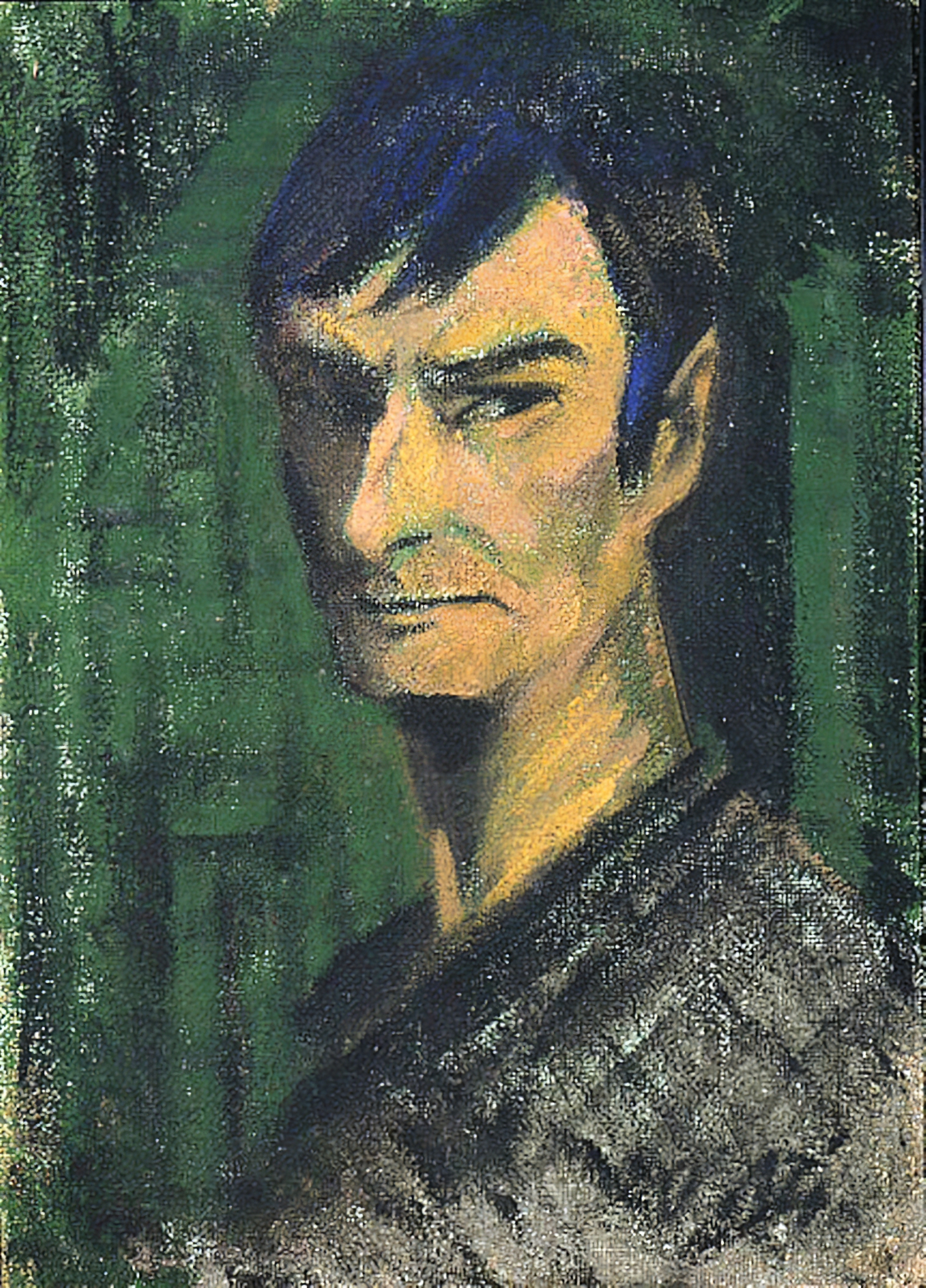
Otto Mueller was a German artist of the first third of the twentieth century. He is known as a painter, graphic artist and printmaker, a representative of German Expressionism, a member of the artists' group "Bridge".
Otto Mueller is considered one of the most lyrical German expressionist painters. His work reflected the unity of man and nature, characterized by simplification of forms, colors and contours. He became famous for his paintings of nude bodies and gypsy women, because of his fascination with which the artist was once nicknamed "Gypsy Mueller".
Mueller preferred to work in tempera on rough canvas, creating a matte surface. His artistic legacy includes 172 works, including lithographs, woodcuts and etchings.
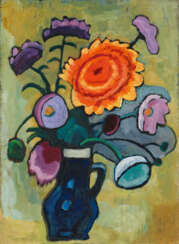

Gabriele Münter, a prominent German painter, left an indelible mark on the art world with her expressionist style and vibrant use of color. Born in Berlin in 1877, Münter was not just an artist but a trailblazer in the early 20th-century avant-garde movement in Munich. Her relationship with Wassily Kandinsky, both personal and professional, greatly influenced her artistic development and vice versa. Together, they explored Europe and North Africa, absorbing influences that would shape their styles. This period was crucial for Münter's transition from impressionistic to more abstract and expressive works, incorporating intense colors and simplified forms that became hallmarks of her style.
Münter's artistic evolution was significantly shaped by her time in Murnau, a Bavarian town that became a refuge and inspiration for her work. Here, she experimented with the Blaue Reiter aesthetic, emphasizing the emotional and spiritual over the representational. Münter's landscapes from this period are notable for their bold use of color and simplified forms, reflecting an intimate interaction with nature. Works like "Jawlensky and Werefkin" and "Lower Main Street, Murnau" exemplify her mastery of color and form, showcasing her ability to capture the essence of her subjects through a unique visual language.
Throughout her career, Münter contributed significantly to the German Expressionist movement, particularly through her involvement with Der Blaue Reiter group. Despite the challenges of World War I and the subsequent estrangement from Kandinsky, she continued to innovate and express her vision through her art. In her later years, Münter's commitment to preserving the legacy of the Blaue Reiter group was demonstrated through her donation of a substantial collection of artworks to the Städtische Galerie im Lenbachhaus in Munich.
For collectors and experts in art and antiques, Gabriele Münter's work represents a pivotal moment in the history of expressionism, offering insights into the movement's evolution and the role of women artists in shaping modern art. Her contributions, both in her vibrant landscapes and in her pioneering spirit, continue to inspire and captivate audiences around the world.
To stay updated on new product sales and auction events related to Gabriele Münter, signing up for updates is an invaluable resource for enthusiasts keen on exploring the depths of expressionism and the enduring legacy of this remarkable artist.
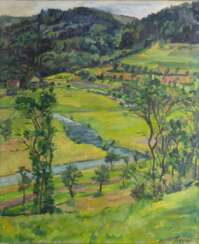

Georg Tappert was a German expressionist painter.
Tappert studied at the Academy of Fine Arts in Berlin and later joined the Berlin Secession, a group of artists who sought to break away from traditional academic art. His early work was influenced by the Art Nouveau movement, but he later became associated with German Expressionism.
Tappert's paintings are characterized by their vivid colors and expressive brushstrokes, which conveyed a sense of emotional intensity. He often depicted scenes of modern urban life, such as cafés, streets, and theaters, as well as portraits and still-life compositions. He also produced a significant body of graphic work, including woodcuts and lithographs.
Tappert's work was exhibited extensively during his lifetime, including at the Berlin Secession and the Städtische Galerie in Munich. He was also awarded numerous honors and awards for his work, including the Villa Massimo Prize in Rome in 1911 and the Grand Cross of the Order of Merit of the Federal Republic of Germany in 1955.
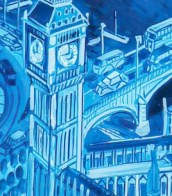


Georg Tappert was a German expressionist painter.
Tappert studied at the Academy of Fine Arts in Berlin and later joined the Berlin Secession, a group of artists who sought to break away from traditional academic art. His early work was influenced by the Art Nouveau movement, but he later became associated with German Expressionism.
Tappert's paintings are characterized by their vivid colors and expressive brushstrokes, which conveyed a sense of emotional intensity. He often depicted scenes of modern urban life, such as cafés, streets, and theaters, as well as portraits and still-life compositions. He also produced a significant body of graphic work, including woodcuts and lithographs.
Tappert's work was exhibited extensively during his lifetime, including at the Berlin Secession and the Städtische Galerie in Munich. He was also awarded numerous honors and awards for his work, including the Villa Massimo Prize in Rome in 1911 and the Grand Cross of the Order of Merit of the Federal Republic of Germany in 1955.


Georg Tappert was a German expressionist painter.
Tappert studied at the Academy of Fine Arts in Berlin and later joined the Berlin Secession, a group of artists who sought to break away from traditional academic art. His early work was influenced by the Art Nouveau movement, but he later became associated with German Expressionism.
Tappert's paintings are characterized by their vivid colors and expressive brushstrokes, which conveyed a sense of emotional intensity. He often depicted scenes of modern urban life, such as cafés, streets, and theaters, as well as portraits and still-life compositions. He also produced a significant body of graphic work, including woodcuts and lithographs.
Tappert's work was exhibited extensively during his lifetime, including at the Berlin Secession and the Städtische Galerie in Munich. He was also awarded numerous honors and awards for his work, including the Villa Massimo Prize in Rome in 1911 and the Grand Cross of the Order of Merit of the Federal Republic of Germany in 1955.


Georg Tappert was a German expressionist painter.
Tappert studied at the Academy of Fine Arts in Berlin and later joined the Berlin Secession, a group of artists who sought to break away from traditional academic art. His early work was influenced by the Art Nouveau movement, but he later became associated with German Expressionism.
Tappert's paintings are characterized by their vivid colors and expressive brushstrokes, which conveyed a sense of emotional intensity. He often depicted scenes of modern urban life, such as cafés, streets, and theaters, as well as portraits and still-life compositions. He also produced a significant body of graphic work, including woodcuts and lithographs.
Tappert's work was exhibited extensively during his lifetime, including at the Berlin Secession and the Städtische Galerie in Munich. He was also awarded numerous honors and awards for his work, including the Villa Massimo Prize in Rome in 1911 and the Grand Cross of the Order of Merit of the Federal Republic of Germany in 1955.


Georg Tappert was a German expressionist painter.
Tappert studied at the Academy of Fine Arts in Berlin and later joined the Berlin Secession, a group of artists who sought to break away from traditional academic art. His early work was influenced by the Art Nouveau movement, but he later became associated with German Expressionism.
Tappert's paintings are characterized by their vivid colors and expressive brushstrokes, which conveyed a sense of emotional intensity. He often depicted scenes of modern urban life, such as cafés, streets, and theaters, as well as portraits and still-life compositions. He also produced a significant body of graphic work, including woodcuts and lithographs.
Tappert's work was exhibited extensively during his lifetime, including at the Berlin Secession and the Städtische Galerie in Munich. He was also awarded numerous honors and awards for his work, including the Villa Massimo Prize in Rome in 1911 and the Grand Cross of the Order of Merit of the Federal Republic of Germany in 1955.